Fences
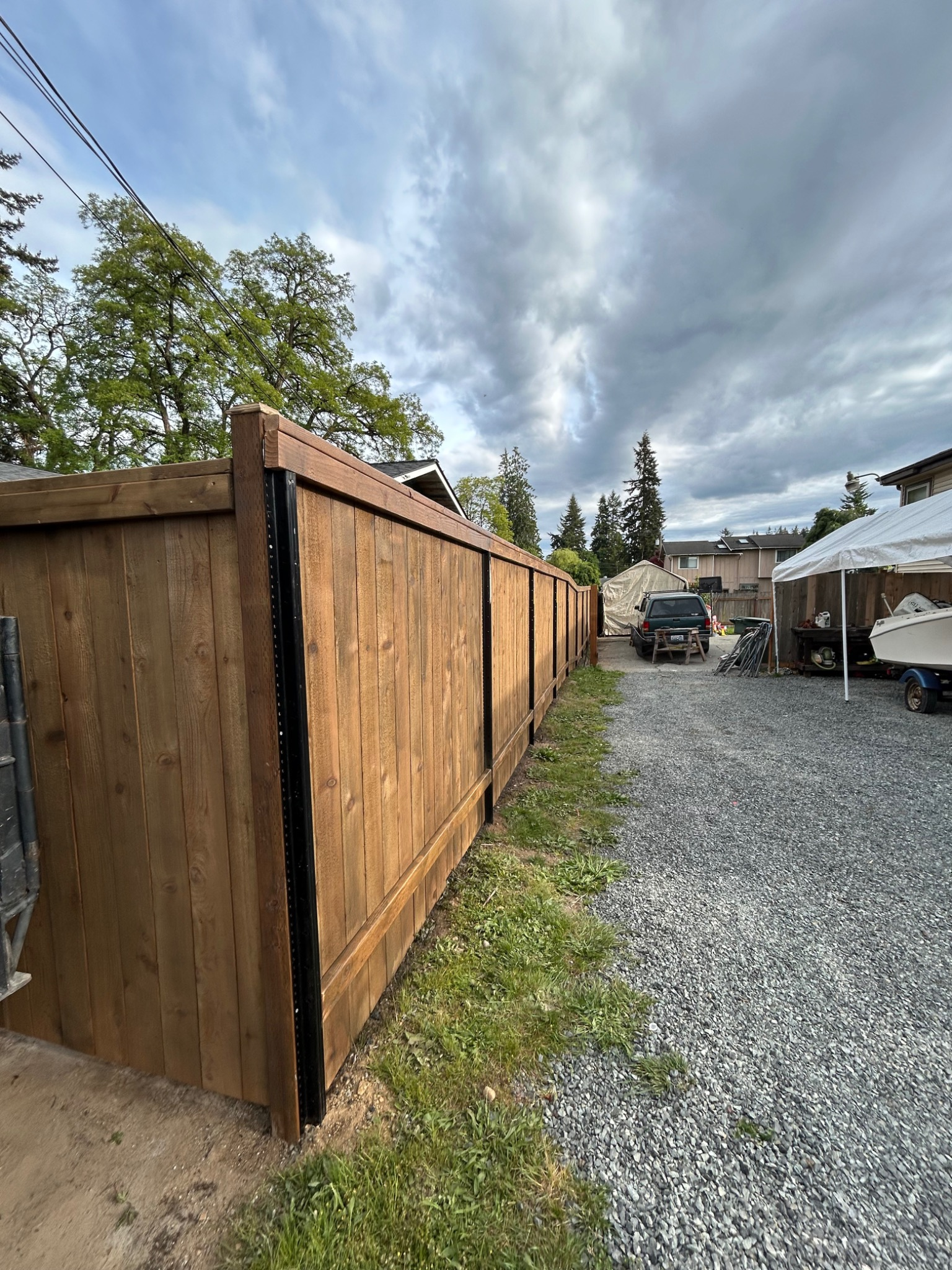
We review the fence line, access and gate placement, then set posts and build the run. A straight boundary and thoughtful gate position make the finished fence useful as well as good-looking.
Site line → posts → finished run
From the ground beneath a patio to the light beside its steps, we build outdoor spaces around how your family actually uses them.
One change can make the whole yard easier to use. Scan the work below, then tell us what is happening on your property and what you want to change.
Walkways, pads and patios shaped for everyday use.
Patios and paths with a deliberate pattern and clean edges.
Boundaries, privacy and gates planned around access.
Useful light for steps, paths and gathering places.
A lower-upkeep surface fitted to the space.
Concrete and pavers ask different things of a yard. Both begin with the same close attention to layout, grade, drainage and the base below the finished surface.
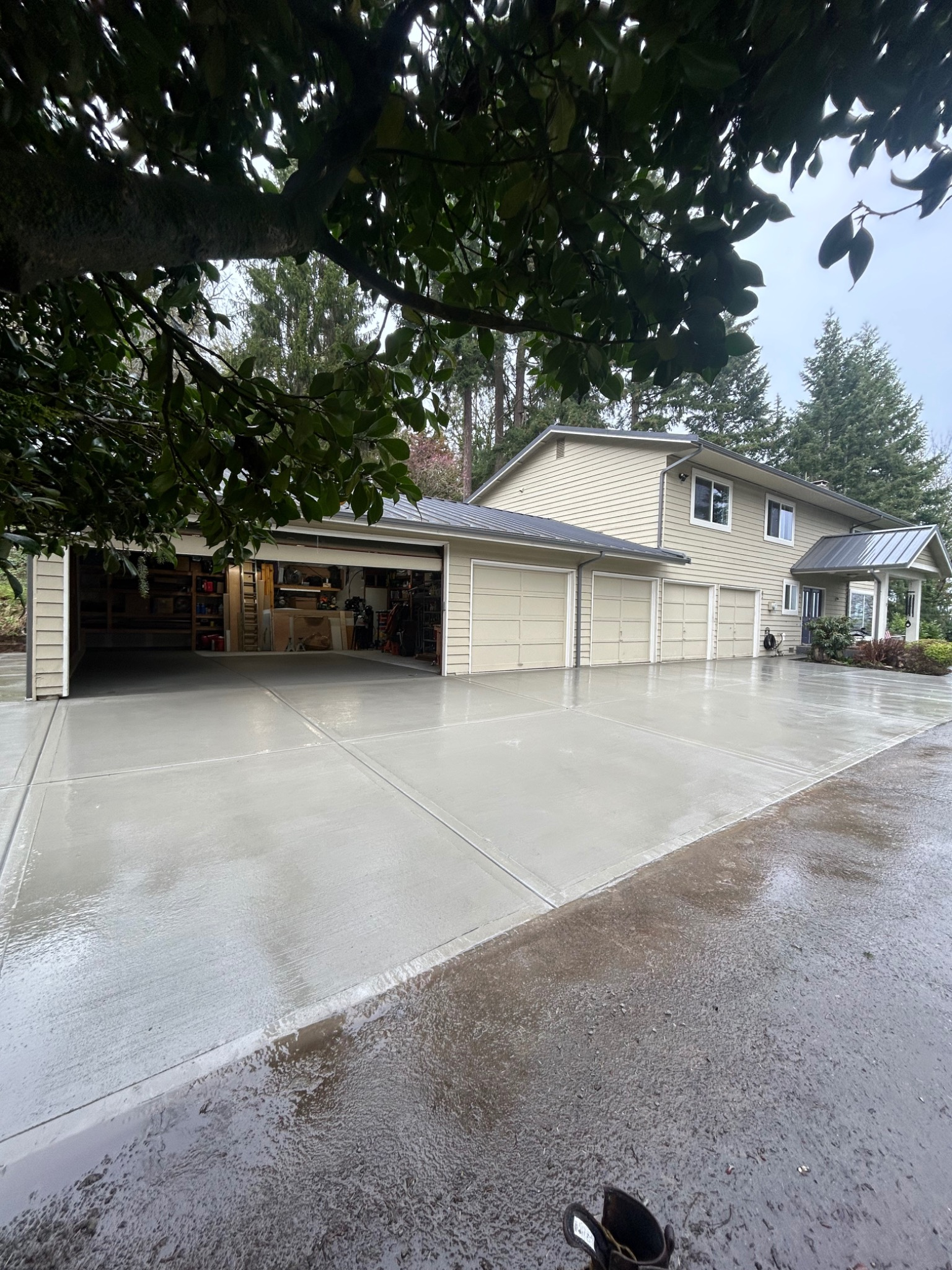
We talk through the size, placement and finish of a walkway, pad or patio before preparing the site and setting forms. The pour is planned around the way water moves and the way you will use the space. Allow time for the concrete to cure before putting the new surface to work.
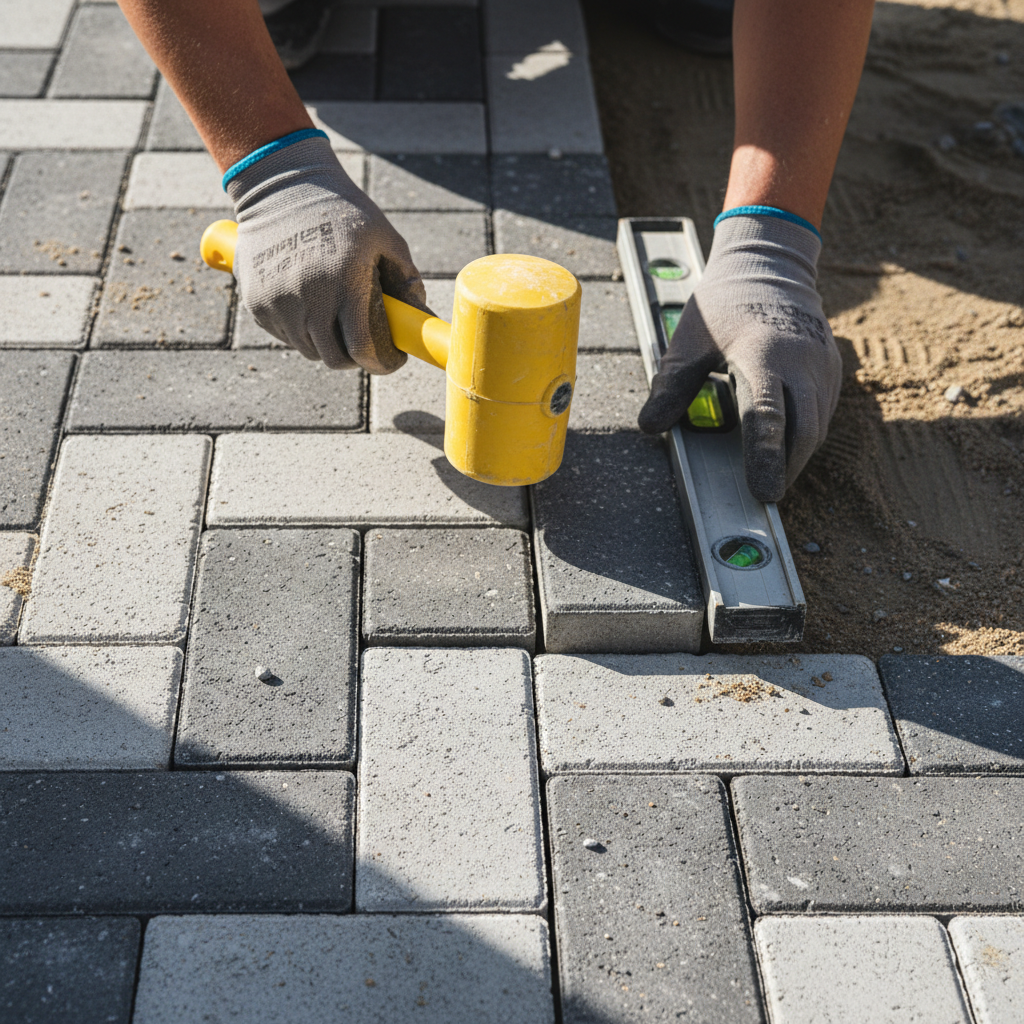
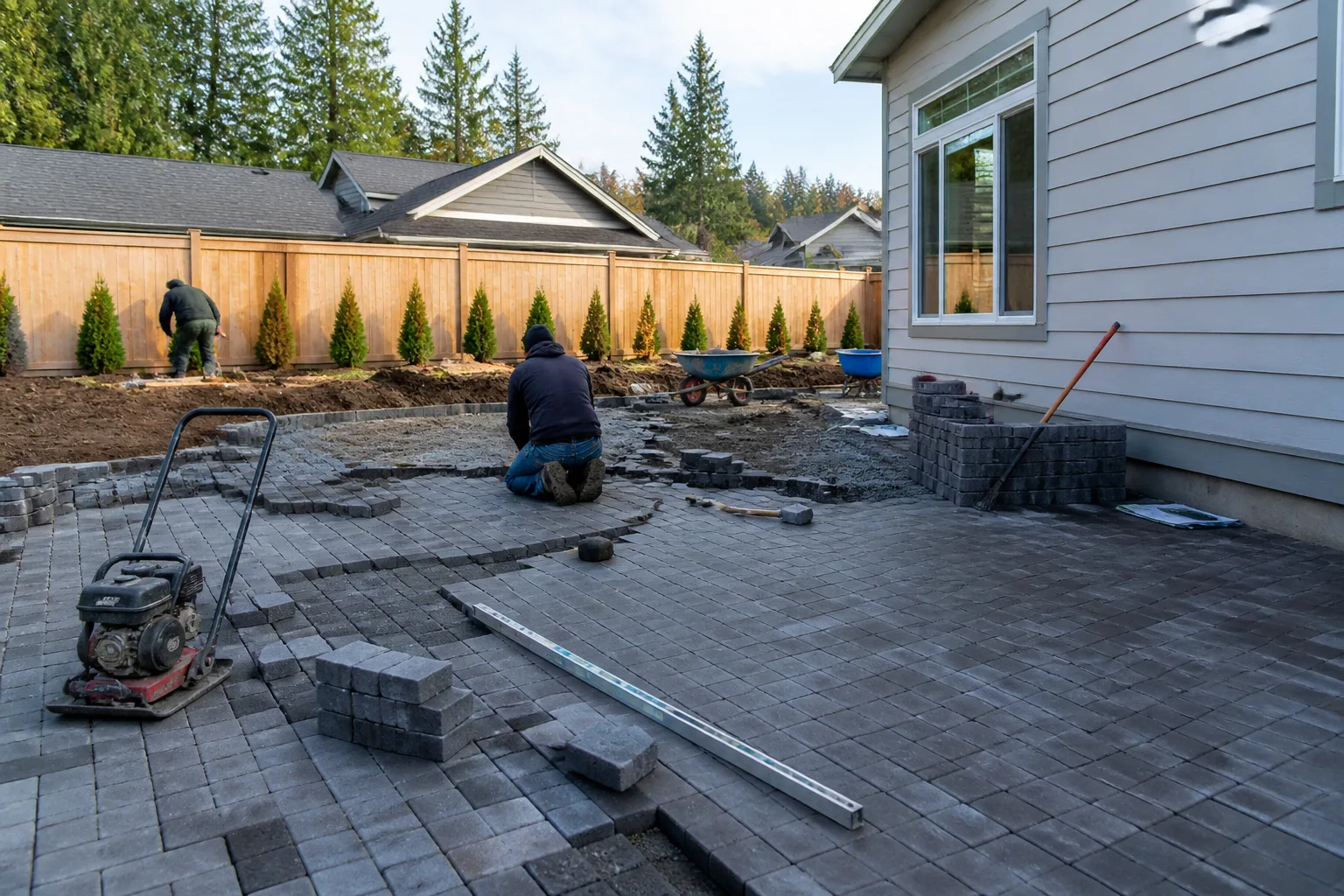
We establish the patio or path outline, prepare and grade its base, then lay the chosen pattern with careful attention to edges and joints. The amount of preparation depends on the ground and the size of the area; we walk through that scope with you before building.
We review the fence line, access and gate placement, then set posts and build the run. A straight boundary and thoughtful gate position make the finished fence useful as well as good-looking.
Site line → posts → finished run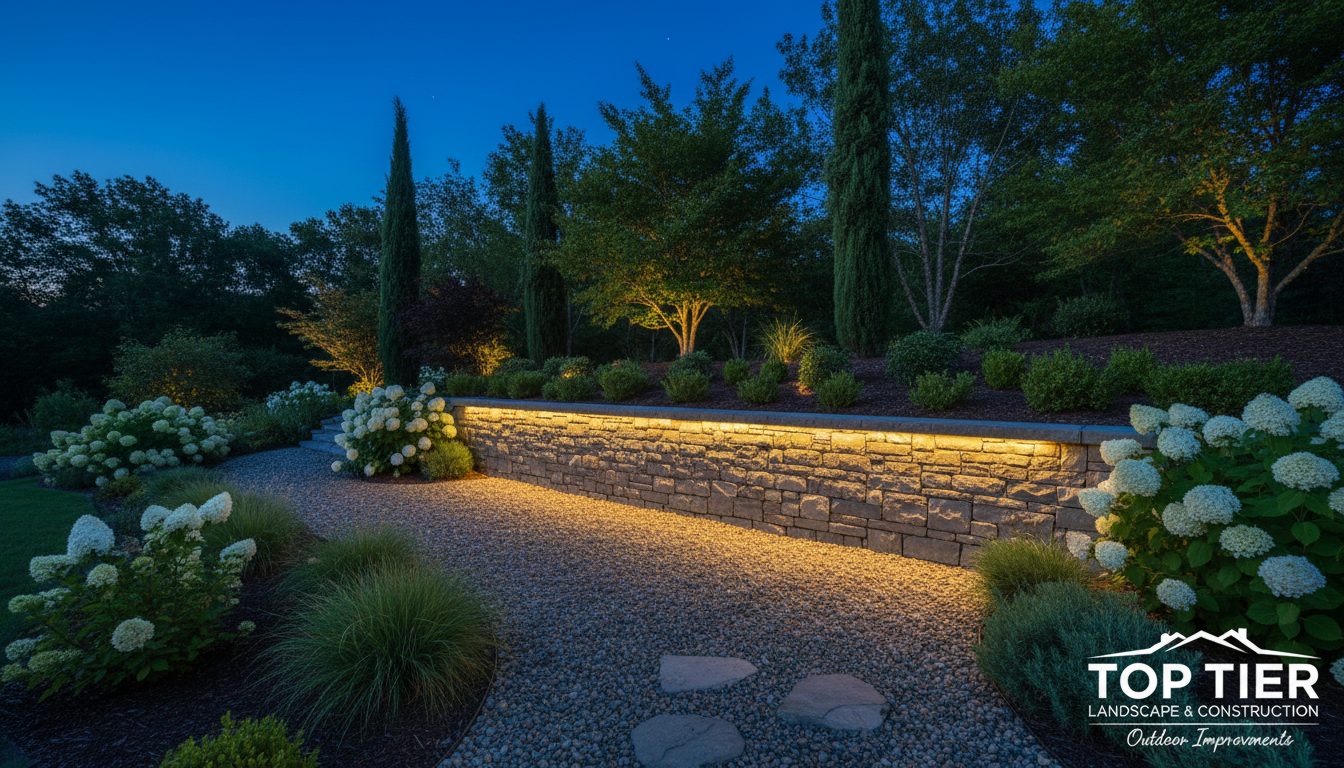
We plan light around steps, paths and the places you gather, considering sightlines and how the yard feels after sunset. Fixture placement follows the way people move through the space.
Walkways → gathering areas → placement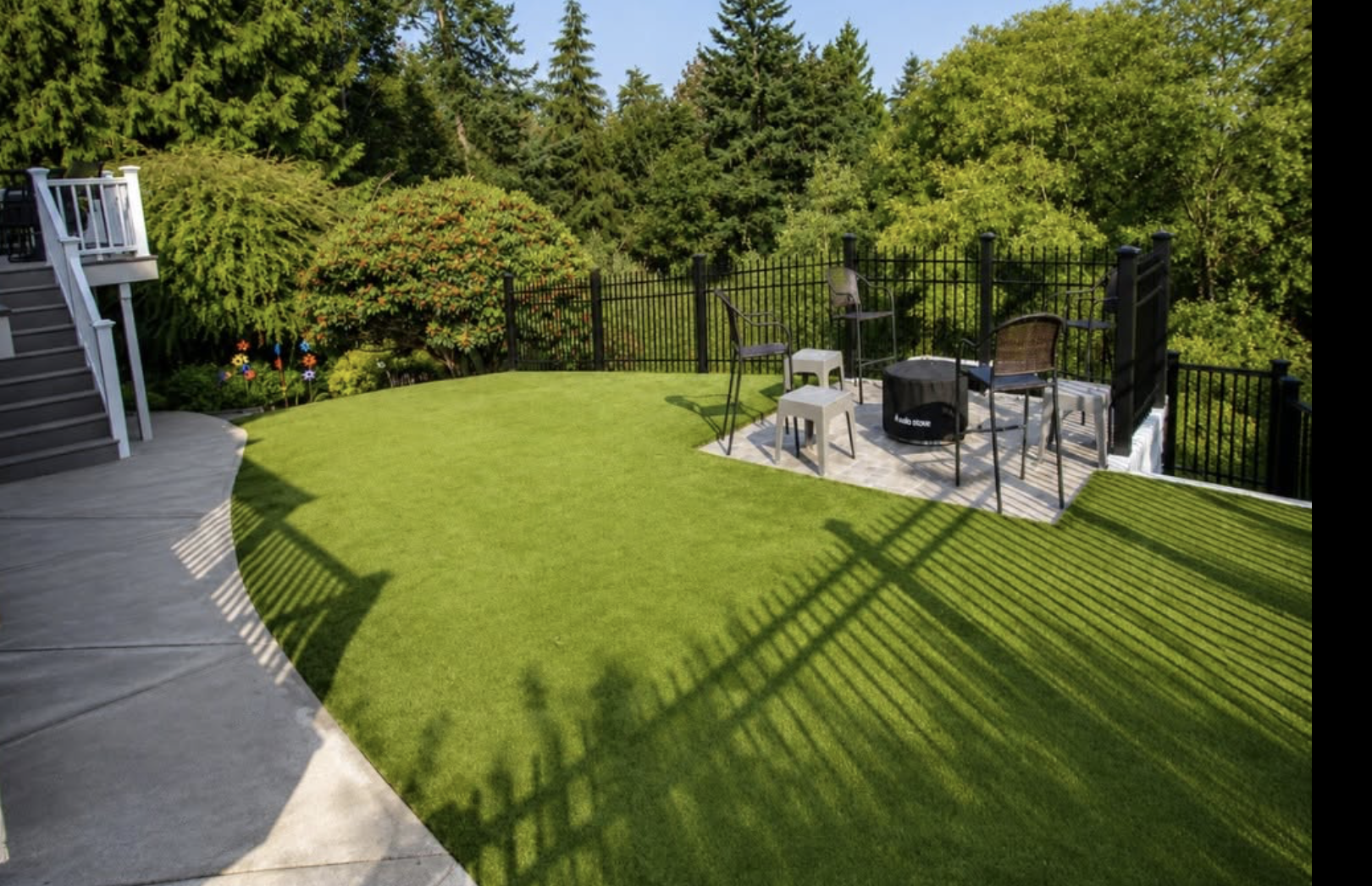
For play areas and hard-to-maintain patches, we prepare the ground, shape the edges and fit the turf to the yard. We discuss how the area will be used before settling its layout.
Ground prep → edges → fitted turfTell us what is not working, what you hope to do outside and which parts of the property need attention. We will talk through the work before construction starts.
We look at access, existing surfaces, slopes and the areas you want to change. Your priorities set the starting point.
We talk through placement, materials and scope so the plan fits both the yard and the way your family will use it.
We complete the agreed work with attention to the details, then look over the finished space with you. Seeing your reaction is one of our favorite parts of the job.
Yes. If you are thinking about a patio and a fence, or a new surface and lighting, bring it all up in the first conversation. Looking at the yard as a whole helps us talk through placement and the order of work.
That depends on the size of the area, site preparation, materials and the work involved. A fence run and a patio have different schedules, and concrete also needs curing time. We will discuss the expected sequence for your project once we have seen the space and agreed on the scope.
Start with what you want to change and how you would like to use the area. Photos, rough dimensions and ideas you have saved can help, but a clear description of the problem is enough to begin.
We are based in Snohomish, WA 98290. Tell us where your property is when you book a consultation so we can discuss the project with you.
 Next step / Snohomish, WA 98290
Bring us the patio idea, the fence line or the patch that has never quite worked. We will start by listening and looking at the space with you.